
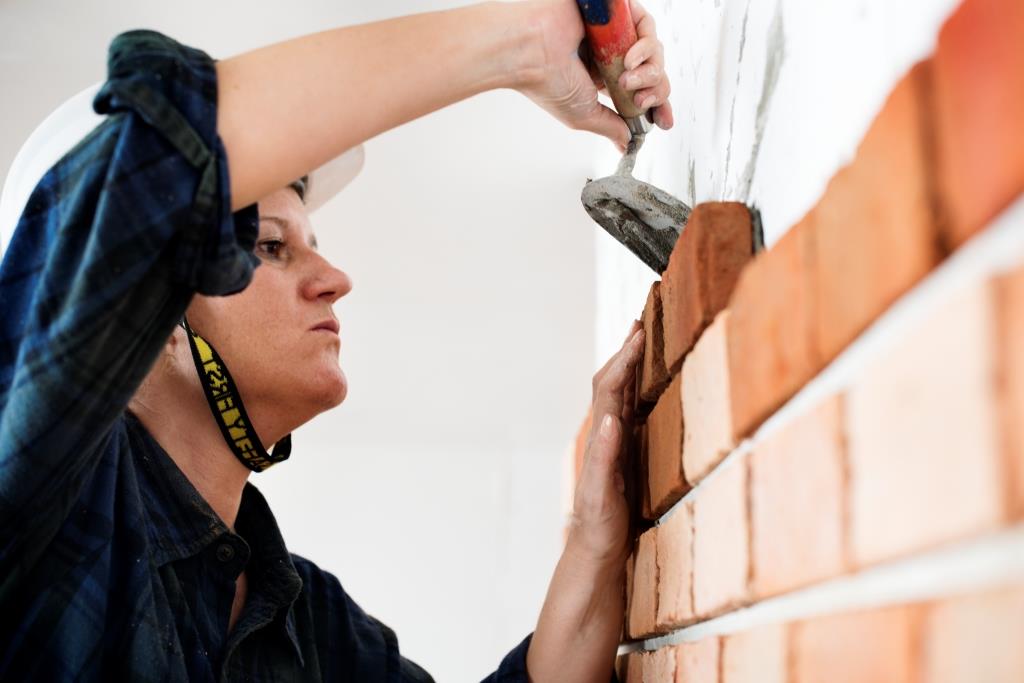
Brick Repairs vs Rebuilding: How to Fix Damaged Brick Walls in Redlands, Brisbane & Cleveland
Introduction
Brick walls are built to last, but no masonry structure is completely immune to wear over time. Queensland's changing weather, shifting soil conditions, moisture, tree roots, ageing mortar, and accidental impacts can all contribute to damage. Homeowners often wonder whether a damaged wall can be repaired or if it needs to be rebuilt entirely.
Making the right decision is important for safety, appearance, and long-term value. A timely repair can prevent a small issue from becoming a major structural problem, while rebuilding may be the safer and more cost-effective option when the damage is extensive.
This guide explains the common causes of brick wall damage, how professionals assess structural issues, when repairs are suitable, and when replacing a wall is the better solution. Whether you're dealing with cracked walls, retaining wall damage, or planning a renovation in Redlands, Cleveland, Brisbane, or the Gold Coast, understanding your options can help you make an informed decision.
Why Brick Walls Become Damaged
Even well-built walls experience stress over time. Some of the most common causes include:
- Foundation movement due to reactive clay soils.
- Poor or deteriorated concrete footings.
- Water ingress from inadequate drainage.
- Tree roots disturbing foundations.
- Corroded wall ties in older masonry.
- Ageing mortar joints.
- Vehicle impacts or accidental damage.
- Poor workmanship during the original construction.
Early detection helps minimise repair costs and prevents structural deterioration.
Signs That Your Brick Wall Needs Attention
Watch for these warning signs:
- Step-shaped cracks along mortar joints.
- Horizontal cracks across the wall.
- Bulging or leaning sections.
- Loose or displaced bricks.
- Crumbling mortar.
- Gaps around doors or windows.
- Water stains or persistent dampness.
- Movement in retaining walls.
If you notice any of these issues, arrange an inspection by experienced bricklayers before the problem worsens.
Can Damaged Brick Walls Be Repaired?
Many walls can be repaired successfully if the structural integrity remains sound. Typical repair methods include:
- Repointing deteriorated mortar.
- Replacing individual damaged bricks.
- Stitching cracks with stainless steel reinforcement.
- Installing wall ties where appropriate.
- Localised rebuilding of affected sections.
- Improving drainage to prevent recurring moisture issues.
Repairs are often the best solution for isolated damage and can restore both appearance and strength.
When Rebuilding Is the Better Option
In some cases, repairing the wall is no longer practical. Rebuilding is generally recommended when:
- The wall has widespread structural movement.
- Foundations have failed.
- Large sections have collapsed or are unstable.
- The brickwork is significantly out of alignment.
- Multiple repair attempts have been unsuccessful.
- The wall no longer complies with current building standards.
A rebuilt wall provides a long-term solution and allows underlying issues, such as inadequate footings or drainage, to be corrected.
The Importance of Quality Concrete Footings
Every durable brick or block wall begins with a stable foundation. Properly designed concrete footings distribute the wall's load evenly and reduce the risk of settlement and cracking.
In areas such as Redlands, Cleveland, Brisbane, and the Gold Coast, soil conditions can vary significantly. Professional assessment ensures that footing depth and reinforcement are appropriate for the site and intended structure.
Brick Walls vs Block Walls for Renovation Projects
When planning a renovation or replacement, property owners often compare brick and block construction.
Brick walls offer a traditional appearance, excellent thermal performance, and long-term durability. Block walls are often chosen for retaining structures, boundary walls, and projects requiring faster construction.
The most suitable option depends on the intended use, design preferences, engineering requirements, and budget.
Retaining Wall Repairs: Don't Ignore Early Damage
Retaining walls are constantly exposed to soil pressure and moisture. Warning signs include leaning, cracking, poor drainage, and bulging sections.
Timely repairs can extend the life of the structure and reduce the likelihood of complete replacement. Regular inspections, especially after heavy rainfall, help identify issues before they become more serious.
Choosing the Right Bricklaying Professional
Selecting an experienced contractor is essential for quality workmanship. Look for professionals who:
- Have experience with residential and commercial masonry.
- Understand local soil and weather conditions.
- Provide detailed site assessments.
- Offer clear project timelines.
- Use quality materials.
- Follow Australian building standards.
- Communicate openly throughout the project.
A qualified bricklayer can recommend the most practical and cost-effective solution for your property.
Final Thoughts
Whether your property requires minor brick repairs or complete wall reconstruction, addressing problems early helps maintain structural integrity and appearance. Professional assessment ensures that underlying causes are identified, reducing the likelihood of recurring damage.
From repairing cracked walls and replacing damaged bricks to constructing retaining walls and installing concrete footings, experienced bricklayers play an important role in creating durable structures that stand the test of time across Redlands, Cleveland, Brisbane, and the Gold Coast.
FAQ
Can cracked brick walls always be repaired?
Not always. Hairline or localised cracks can often be repaired, but extensive structural movement may require partial or complete rebuilding.
What causes brick walls to crack?
Common causes include foundation movement, moisture changes, poor drainage, ageing mortar, tree roots, and inadequate concrete footings.
How do I know if my retaining wall needs replacing?
Signs such as significant leaning, bulging, collapsed sections, or severe cracking often indicate that replacement is the safest option.
Why are concrete footings important?
Concrete footings provide a stable base that distributes structural loads and reduces the risk of settlement and cracking.
Are block walls stronger than brick walls?
Both materials are durable when installed correctly. Block walls are often preferred for retaining structures, while brick walls are popular for homes due to their appearance and long-term performance.
How often should brick walls be inspected?
A visual inspection every year and after severe storms or heavy rainfall can help identify early signs of damage.
Can damaged bricks be replaced individually?
Yes. If the surrounding wall is structurally sound, individual bricks can often be removed and replaced without rebuilding the entire wall.
Do retaining wall repairs require council approval?
Approval requirements depend on the wall's height, location, and local council regulations. It's advisable to check with your local authority or your contractor before commencing work.